Table of Contents
- How Often Should Air Ducts Be Cleaned: The Baseline Recommendation
- Signs Air Ducts Need Cleaning Beyond the Standard Schedule
- Conditions That Justify More Frequent Duct Cleaning
- Best Time of Year to Clean Air Ducts
- Air Duct Cleaning After Renovation or Construction
- How Long Does Air Duct Cleaning Take
- What Professional Duct Cleaning Includes and Why It Matters
- Risks of Poor-Quality or Unnecessary Cleaning
- Frequently Asked Questions
Last Updated: October 18, 2026
How Often Should Air Ducts Be Cleaned: The Baseline Recommendation
The baseline recommendation is to have your ductwork inspected every two to three years. For many households without specific risk factors, professional cleaning every three to five years is reasonable.
That timeline is a suggestion, not a rule. Your actual schedule depends on home age, HVAC system type, pets, and local conditions.
The real work is spotting the warning signs that your ductwork needs attention now, not in three years.
Signs Air Ducts Need Cleaning Beyond the Standard Schedule
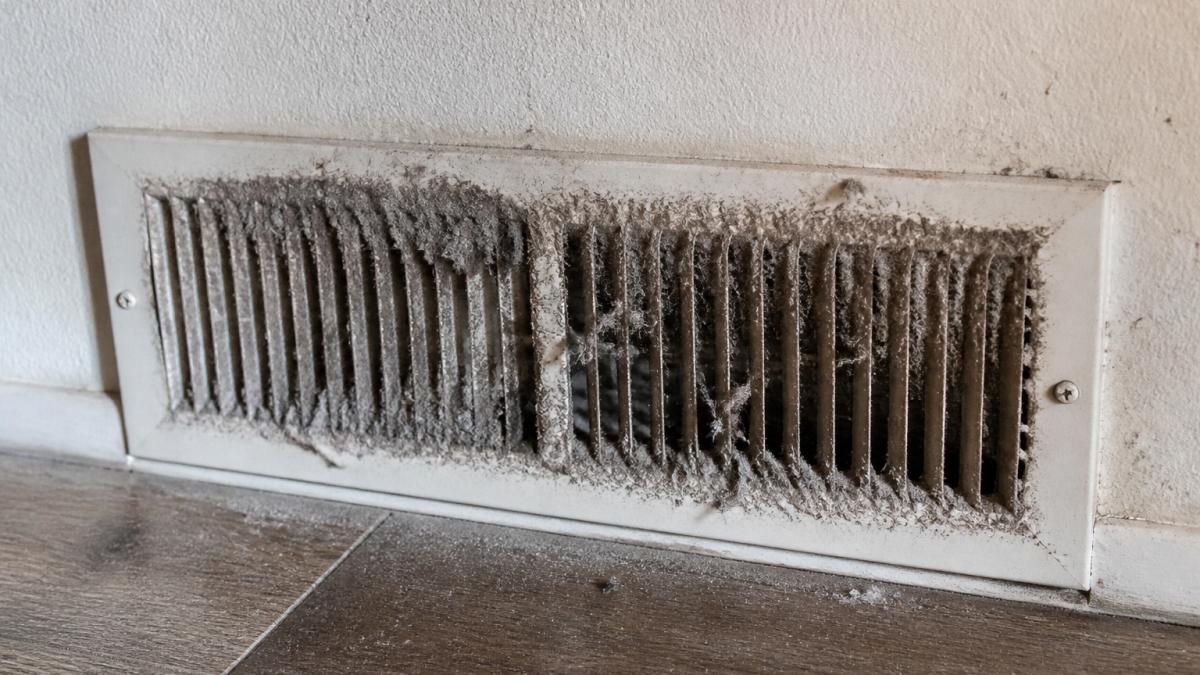
Most guides list warning signs and stop there. The practical approach is a short decision tree: check, verify, then decide, so you can separate ordinary household dust from contamination that warrants professional cleaning.
Step 1: Check the easy-to-see places first
Start with the components you can safely access without tools or disassembly:
- Supply and return registers. Remove the grille by hand where possible and look at the register face and the first few inches of visible duct. A light film of dust is normal. Thick matting, pet hair, or debris that falls out when you touch it is not.
- The air filter slot. A filter that loads up in weeks rather than months suggests heavy particulate load somewhere upstream, though the filter itself is usually the culprit.
- The air handler cabinet exterior. Rust, condensation, or standing water around the cabinet points to a moisture problem that matters more than dust.
Step 2: Distinguish ordinary dust from contamination
Household dust is a fact of life, and a thin, even coating on a register is not evidence that your ducts need cleaning. The signals that matter differ in kind, not degree:
- Debris that is clumped, matted, or fibrous rather than a fine film
- Material that falls out of the duct when the system runs or when you tap the register
- Localized heavy buildup in one area while other registers are clean, which can indicate a leak or a disconnected run
Rule of thumb: if you can see the bottom of the duct and the buildup is a uniform light film, it’s probably normal dust. If it has texture, depth, or color variation, it deserves a closer look.
Step 3: Decide whether to inspect further or call a professional
Use this decision tree:
- No visible buildup, no odors, no moisture, no recent renovation or pest issue? You likely do not need cleaning. Keep changing filters on schedule and revisit in a year or two.
- Light, uniform dust only? Clean the registers yourself, replace the filter, and monitor. No professional cleaning is indicated.
- Heavy, textured, or localized buildup, or any odor or moisture? Request a professional inspection before agreeing to cleaning. Ask for camera documentation of what the technician finds.
- Visible mold, standing water, or a pest infestation? Treat it as urgent. Mold and moisture issues are not solved by duct cleaning alone, and pest problems need exclusion work first.
Pro Tip
Ask any contractor to show you before-and-after camera images of the same duct runs. A legitimate inspection produces documented findings; a sales pitch produces a recommendation without evidence.
Step 4: Know what not to worry about
A dirty air filter is not the same as dirty ducts. Filters are designed to load up; replacing them every one to three months is normal maintenance, and a little dust on a return grille is not a health hazard.
If you’re unsure which category your home falls into, a documented inspection is cheaper than unnecessary cleaning and far cheaper than ignoring a moisture problem.
Conditions That Justify More Frequent Duct Cleaning
Certain household conditions push you toward more frequent cleaning. If any of these apply to your home, plan for annual inspections and cleaning every one to two years instead of waiting three to five.
Pets and Pet Hair
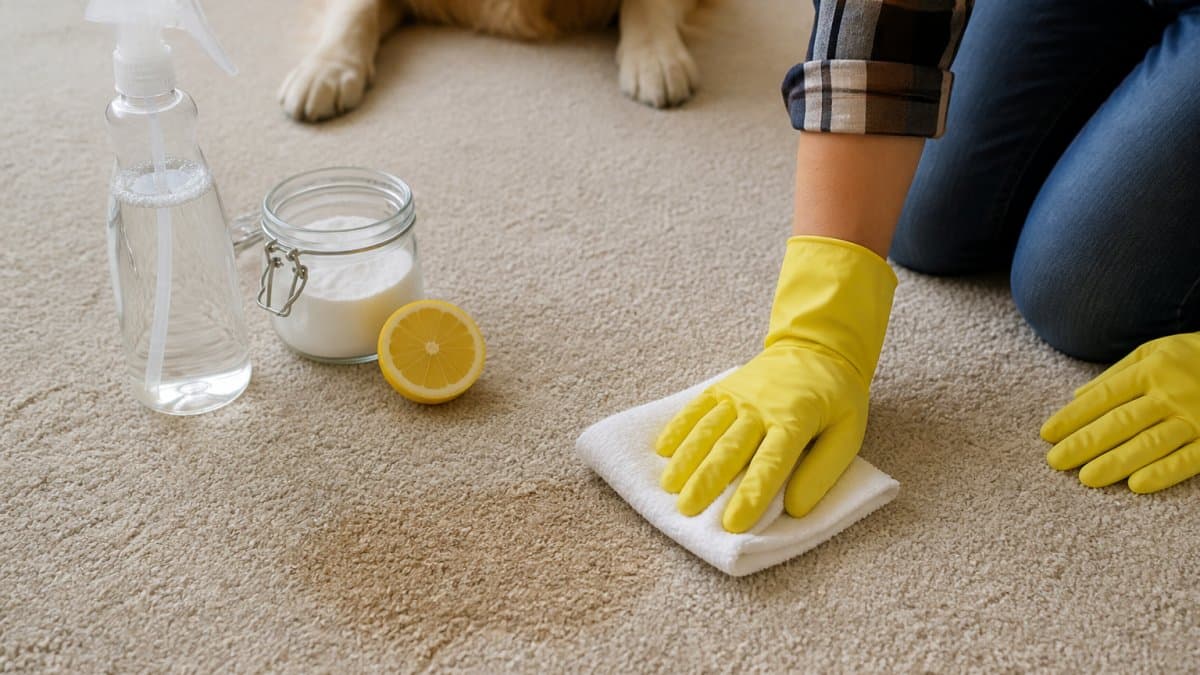
Pet hair and dander accumulate in ductwork faster than in pet-free homes, pulled into return ducts every time your system runs.
With two or more pets, or even one heavy shedder, buildup reduces airflow and circulates pet allergens throughout your home, making professional cleaning more important, not optional.
If your filters clog faster than expected, your ductwork is likely accumulating material too.
Allergies and Respiratory Sensitivities
Families with asthma, allergies, or other respiratory sensitivities benefit from cleaner air.
Cleaning your air ducts reduces the particle load indoors. It’s not a cure for allergies, but combined with regular filter changes and good ventilation, cleaner ducts support better breathing.
If someone in your household has diagnosed allergies or asthma triggered by indoor air, plan for duct cleaning every one to two years; the investment pays off in fewer symptoms and better sleep.
Mold, Moisture, and Water Damage
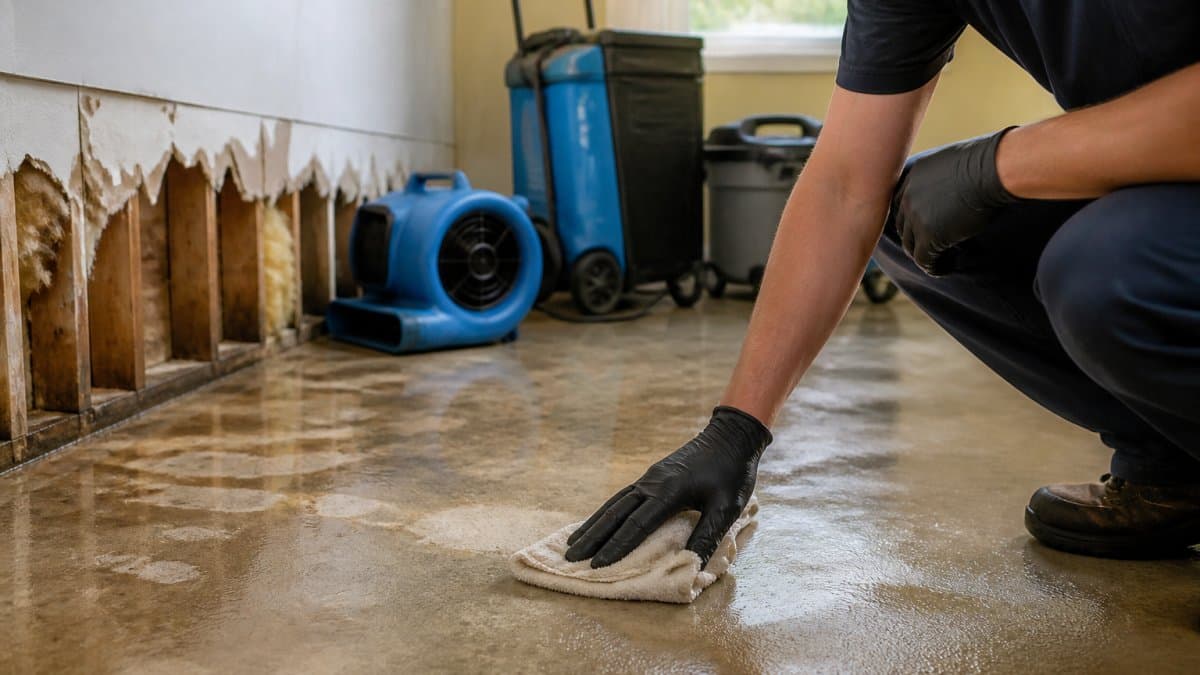
Mold growth in ductwork is serious. It happens when moisture builds up inside your ducts or air handler, often from a burst pipe, roof leak, or flooding.
If you’ve had water damage, have your ducts inspected immediately.
Moisture also builds up in humid climates or poorly ventilated homes. If you notice condensation around your air handler or smell mold when the system runs, get professional help; mold identification requires expertise.
Best Time of Year to Clean Air Ducts
Spring and fall are ideal for air duct cleaning.
Spring cleaning removes debris from the winter heating season; fall cleaning prepares your system before full heating mode.
Avoid peak heating or cooling seasons if possible; summer and winter mean longer waits and higher demand.
That said, don’t delay cleaning because of timing. If your ducts show warning signs, get them cleaned regardless of season.
Air Duct Cleaning After Renovation or Construction
Construction and renovation create massive amounts of dust. Even with plastic barriers and containment, fine particles escape and get pulled into your ductwork.
After renovation work, new flooring, drywall, painting, or any major project, schedule duct cleaning within two weeks of completion.
Don’t skip this step. Construction dust is finer than household dust, circulates more easily, and carries drywall particles and paint residue you don’t want in your home.
For major renovations, plan professional duct cleaning as part of project closeout.
How Long Does Air Duct Cleaning Take
A typical professional air duct cleaning takes two to four hours for an average residential home. The exact time depends on several factors:
- Total ductwork length and complexity
- Number of vents and registers
- Whether your system has been cleaned before
Longer ductwork and complex layouts take longer; newer homes sometimes offer easier access than older homes with tight crawl spaces.
The process includes inspecting the system, accessing the air handler, cleaning supply and return ducts, and cleaning registers and vents.
Plan for most of a morning or afternoon. Technicians need access to your air handler, often in an attic, basement, or utility closet, and must work at each vent and register throughout your home.
What Professional Duct Cleaning Includes and Why It Matters
Most articles describe duct cleaning vaguely, which is why homeowners struggle to tell a thorough job from a superficial one. A proper cleaning follows a defined scope, uses specific equipment, and ends with verification. Here’s what that looks like, so you can compare quotes on equal terms.
Source removal, not just surface wiping
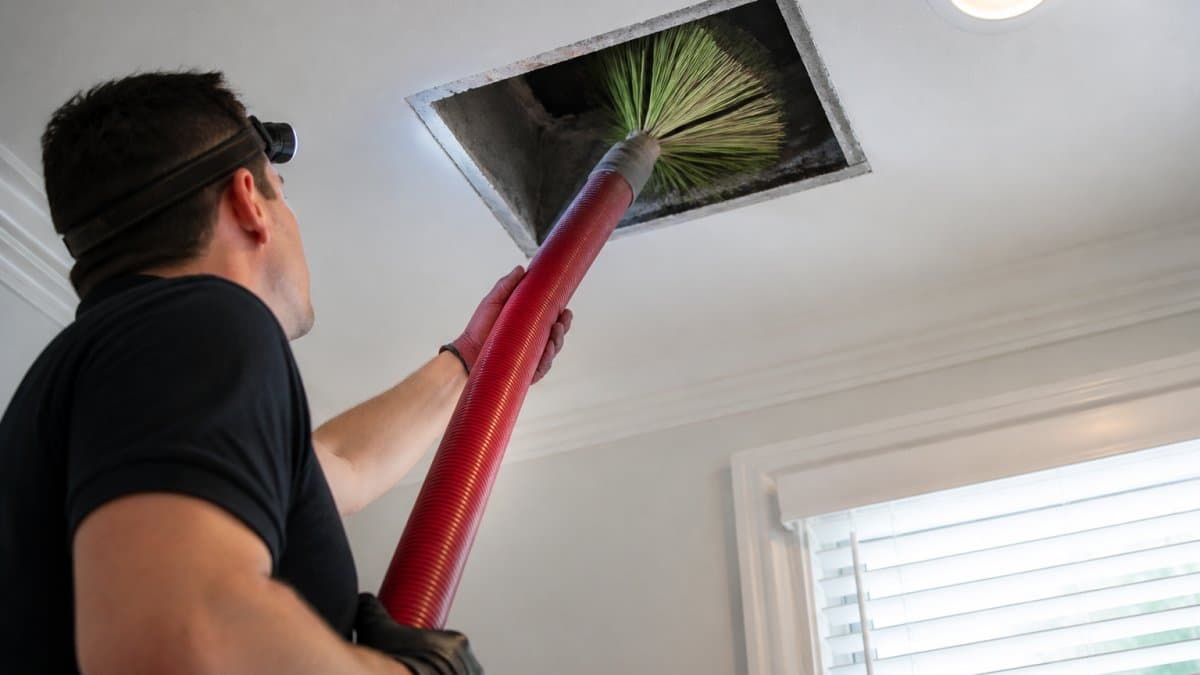
The recognized standard for the trade is source removal: physically dislodging and capturing debris from the duct system rather than fogging it with chemicals or wiping only the registers. A legitimate job addresses the supply ducts, return ducts, registers, grilles, diffusers, heat exchangers, cooling coils, condensate drain pans, fan motor and housing, and the air handling unit cabinet.
Equipment you should expect to see
- Negative-pressure containment. A high-powered vacuum connected to the system keeps the ductwork under negative pressure so dislodged debris travels toward the collection unit instead of into your living space.
- Agitation tools. Compressed air whips, rotary brushes, and manual brushes are used to loosen buildup from duct walls. The right tool depends on duct material; flexible duct requires gentler agitation than sheet metal.
- HEPA filtration. Collection equipment should be HEPA-filtered to capture fine particles rather than exhausting them indoors.
Access and containment
Expect the technician to create access openings in the ductwork where none exist, then seal them afterward. Floors and furnishings near work areas should be protected, and the work area should be under containment. If a contractor proposes cleaning without sealing the system or protecting your home, that is a warning sign.
Post-cleaning verification
A thorough job ends with verification, not just a handshake:
- Visual and camera confirmation that accessible duct interiors are free of debris
- Component check that the air handler, coils, and drain pan are clean and dry
- System restart and airflow check to confirm the HVAC system operates normally
- Documentation of before-and-after conditions, ideally with images you keep
Watch Out
Be cautious of contractors who recommend chemical fogging or sealants as a substitute for source removal, who quote a price before inspecting, or who make health claims that go beyond what duct cleaning can deliver. Cleaning is a maintenance service, not a medical treatment.
Why the scope matters more than the price
Two quotes for the same home can differ by hundreds of dollars because they cover different scopes. A low quote may cover only main trunk lines and registers, while a complete job includes the air handler, coils, and every branch run.
Our process follows this source-removal approach with HEPA-filtered containment and documented before-and-after inspection, so you can see exactly what was done and why.
Risks of Poor-Quality or Unnecessary Cleaning
Not all duct cleaning is equal; low-quality or unnecessary work can cause problems.
Poor-Quality Cleaning Risks:
- Incomplete removal of debris, leaving contamination behind
- Damage to your ductwork from aggressive brushing or improper technique
- Debris pushed into your air handler or deeper into your system
- Leaks in sealed ductwork from improper handling
Unnecessary Cleaning Risks:
- Wasting money on cleaning that your ducts don’t need
- Unnecessary disruption to your home
- Potential for damage during work that wasn’t required
The key is knowing whether your ducts actually need cleaning. Visual inspection, airflow assessment, and household risk factors help you decide.
Qualified professionals inspect before recommending cleaning. They show you what they find and explain why cleaning is or isn’t necessary. That transparency helps you make an informed decision.
Air duct maintenance is part of keeping your home healthy and your HVAC system efficient. When you’re ready to assess your ducts or schedule professional cleaning, Eco Friendly Steemers provides professional cleaning solutions using eco-friendly methods that keep your family and environment safe. REQUEST FREE ESTIMATE to learn exactly what your home needs.
Frequently Asked Questions
How often should air ducts be cleaned in a typical home?
Most homes benefit from professional air duct cleaning every three to five years. However, the right interval depends on your household. Homes with pets, smokers, or family members with allergies may need cleaning every two to three years. Homes with minimal dust production and no respiratory concerns may go longer. The key is to inspect your ducts and registers annually, if you see visible debris or dust buildup, cleaning is warranted sooner rather than waiting for a fixed schedule.
What are the signs air ducts need cleaning?
Visible dust or debris around supply and return registers, musty or stale odors from vents, reduced airflow from your HVAC system, and increased dust settling on surfaces throughout your home are all warning signs. If family members experience worsening allergies or respiratory symptoms indoors, or if you notice rodent droppings or mold growth inside ductwork, professional cleaning is necessary. After renovation or construction, visible dust in ducts always warrants cleaning.
Does cleaning air ducts really make a difference?
Professional duct cleaning removes accumulated dust, pet hair, mold, and contaminants from your supply and return ducts, improving indoor air quality and HVAC efficiency. Families with allergies, asthma, or pets typically notice improved respiratory comfort and reduced dust settling indoors. Energy efficiency may also improve when airflow is restored. However, unnecessary cleaning of already-clean ducts provides no benefit, cleaning is most effective when contamination is present or suspected.
What is the best time of year to have air ducts cleaned?
Spring or fall are ideal times to schedule air duct cleaning, before peak heating or cooling seasons. Cleaning before you rely heavily on your HVAC system ensures maximum efficiency when you need it most. Spring cleaning removes winter dust and debris before summer cooling begins, while fall cleaning prepares your system for winter heating. Avoid scheduling during extreme weather when your HVAC system is running continuously, as this can disrupt your comfort.